Kitchen guides
Refillable dish soap: the lowest-friction kitchen swap for less plastic
Refillable dish soap wins when the bottle stays at the sink, the refill takes under two minutes, and the foam still cuts grease on a normal dinner load.
Quick takeaways
- Keep one permanent bottle at the sink — refills fail when the bottle lives in a cupboard.
- Concentrates beat giant refill jugs in small apartments.
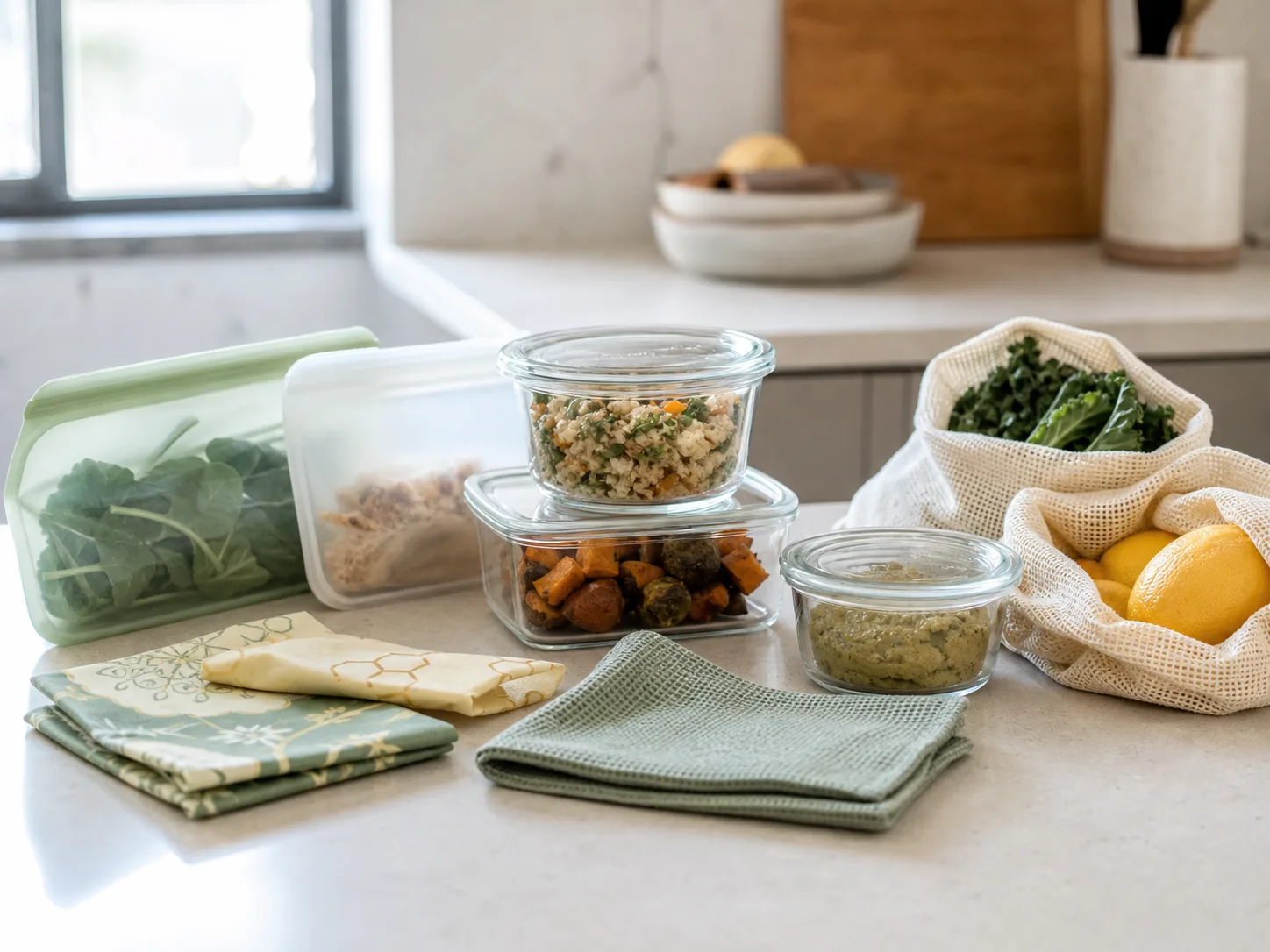
- Pair the swap with a Swedish dishcloth so paper towels do not creep back in.
Dish soap is one of the highest-frequency purchases in a low-waste kitchen. That makes it a strong first swap: you see the packaging reduction every week instead of waiting for a quarterly haul.
The mistake is buying a beautiful glass dispenser before you know whether concentrates, tablets, or refill pouches fit your sink layout and who actually does the dishes.
Related ecokit paths
- Blueland vs Dropps vs EcoRoots (2026): refill stacks for apartmentsComparison page for pricing, format tradeoffs, and checkout-fit before you click a sponsored link.
- Zero-waste kitchen starter kit: the 7 swaps worth buying firstClosely related ecokit guide that keeps the topic cluster connected for readers and crawlers.
- Plastic-free laundry: sheets vs pods vs powder for normal householdsClosely related ecokit guide that keeps the topic cluster connected for readers and crawlers.
- Affiliate disclosureMerchant-program status, sponsored link labels, and commission caveats for ecokit recommendations.
Checklist CTA
Kitchen starter checklist
Use the checklist to lock in dish soap refills before buying accessories.
Open checklist landingProduct picks
Recommendations connected to this guide.
Dish soap concentrate refills
A practical way to test concentrates before joining a refill subscription.
Open recommendationSwedish dishcloth starter pack
A high-ROI swap for kitchens that burn through paper towels every week.
Open recommendationGrove refillables
Direct merchant shop link for refillable cleaners and home basics.
Open recommendation1. Pick the refill format you will actually reorder
Pouches ship flat and store easily. Concentrates let you control dose size. Tablet systems look tidy but only work if everyone in the household understands the routine.
Choose the format you can reorder on autopilot. A slightly less 'pure' option you rebuy every month beats a perfect system you abandon after one bulky delivery.
2. Bottle placement beats bottle aesthetics
Mount or park the dispenser where hands already reach during cleanup. If refilling requires walking to another room, the squeeze bottle comes back within a week.
Label the refill ratio on the bottle with tape. Future-you should not need to find the instructions card every time.
- Rinse the pump weekly to avoid clogging with concentrate residue.
- Buy one backup pouch before the first bottle is empty.
- Skip decorative trays until the refill habit sticks for 30 days.
3. When to add Grove-style refill clubs
Subscription refill clubs help when you want predictable shipments and a curated catalog. They hurt when you are still experimenting with formats — cancel friction and unused bottles add clutter fast.
Use merchant shop links to compare catalogs, then commit to a club only after one concentrate format survives a busy month.
Free printable checklist
Get the zero-waste kitchen starter list.
Includes the 7 swaps worth buying first, a weekly reset routine, and a simple way to avoid buying “eco” clutter.
One checklist, one follow-up email, no spammy sequence. Conversion events are tracked with the checklist_submit GA4 event when analytics is configured.
FAQs
Do refillable systems save money?
Often yes on packaging and shipping weight, but only if you finish refills before buying the next decorative accessory.
What if my household hates concentrates?
Stay with a single sturdy pump bottle and switch to the largest refill pouch your storage allows — fewer bottles still helps.