Checklist guides
Sustainable home audit: 10 questions before you buy another eco swap
The most useful sustainable purchase is the one that replaces a current habit, not the one that looks the most virtuous on a shelf.
Quick takeaways
- Audit your current disposable habits first.
- Look for swaps that shorten cleanup or storage time.
- Use the checklist to decide which room should change first.
Before buying a new low-waste product, ask whether it solves a repeat expense, a repeat disposal problem, or a repeat frustration. If the answer is no, the item probably belongs on a later wishlist.
These ten questions help separate durable upgrades from clutter disguised as virtue.
Related ecokit paths
- Grove Collaborative review (2026): pricing, subscriptions, and alternativesComparison page for pricing, format tradeoffs, and checkout-fit before you click a sponsored link.
- Blueland vs Dropps vs EcoRoots (2026): refill stacks for apartmentsComparison page for pricing, format tradeoffs, and checkout-fit before you click a sponsored link.
- Zero-waste kitchen starter kit: the 7 swaps worth buying firstClosely related ecokit guide that keeps the topic cluster connected for readers and crawlers.
- Affiliate disclosureMerchant-program status, sponsored link labels, and commission caveats for ecokit recommendations.
Checklist CTA
Kitchen starter checklist
Turn audit answers into two concrete swaps this month.
Open checklist landingProduct picks
Recommendations connected to this guide.
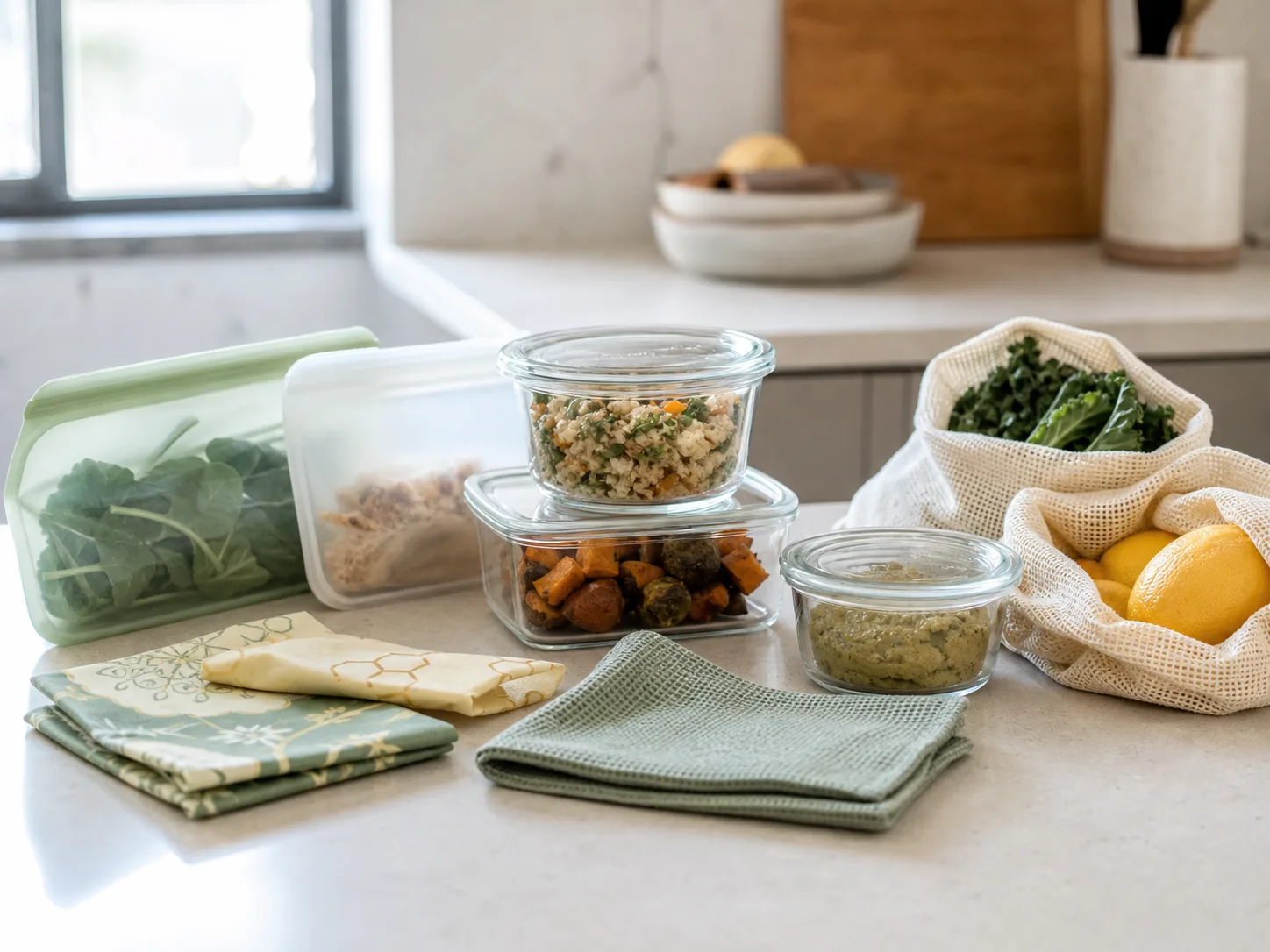
Reusable silicone storage bags
Useful for lunches, freezer prep, and leftovers that need a tighter seal.
Open recommendationSwedish dishcloth starter pack
A high-ROI swap for kitchens that burn through paper towels every week.
Open recommendationZero Waste Store kitchen collection
Direct merchant shop link for wraps, brushes, and reusable kitchen basics.
Open recommendation1. What do you buy repeatedly?
List the disposables you repurchase every month: plastic wrap, paper towels, dish sponges, detergent bottles, trash bags, coffee filters, or produce bags. Repeat spending reveals the clearest swap opportunities.
2. Which room creates the most packaging?
For many people it is the kitchen, then laundry or bathroom. Start where packaging is most visible because visible waste is easier to change than abstract waste.
3. Which upgrade would survive a stressful week?
The right eco swap works when you are busy, tired, or cleaning up after dinner late. If a product only works on your best-organized day, it is not the first thing to buy.
- Can it be cleaned fast?
- Can someone else in the household use it without explanation?
- Will it fit where the disposable version already lives?
Free printable checklist
Get the zero-waste kitchen starter list.
Includes the 7 swaps worth buying first, a weekly reset routine, and a simple way to avoid buying “eco” clutter.
One checklist, one follow-up email, no spammy sequence. Conversion events are tracked with the checklist_submit GA4 event when analytics is configured.
FAQs
Should I start in the kitchen or bathroom?
Start wherever you throw away the most repeat packaging today. For most households that is still the kitchen.
Is the printable checklist enough for a first pass?
Yes. Use the checklist to pick two or three swaps first, then revisit the audit once those become routine.